1 October 2025
Large-scale survey and modelling complete the puzzle of plant diversity conservation in China
The number and distribution of threatened species that urgently need protection in China, as assessed after integrating more data.
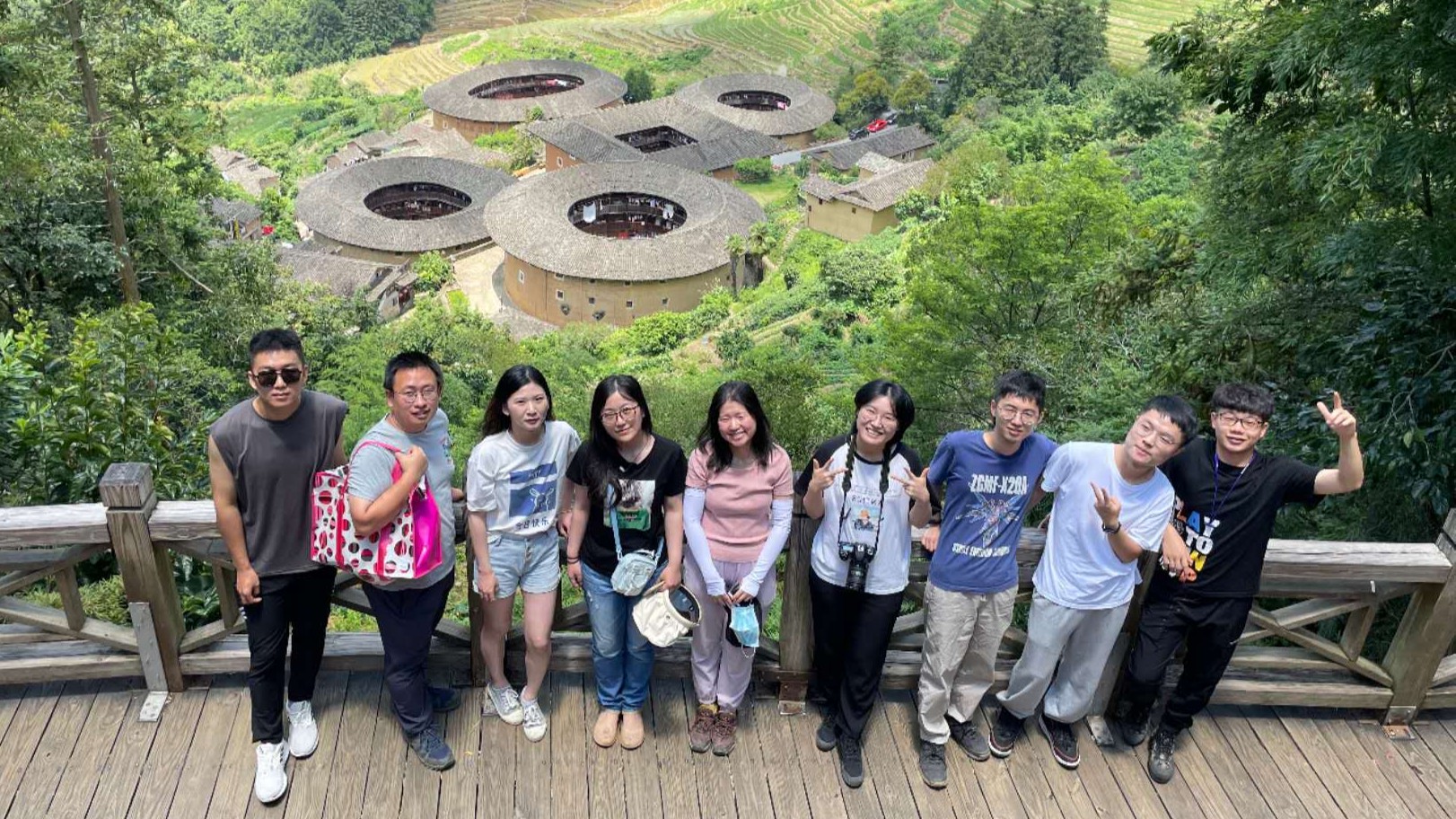
I finally pieced together the puzzle of my MSc project three years after I got my MSc degree from Nanjing Forestry University, which briefly evaluated the current status of endangered plants in China from a biogeographic perspective. I am truly grateful to my Master supervisor (Lingfeng Mao), and also to my PhD supervisors (Katie Barry, Yann Hautier, Jonas Lembrechts), for their support and understanding of this project.
1️⃣ Our Chapter One reviewed the current status of endemic plants in China: they have only been documented but have received little follow-up conservation research (thanks to Katie for the perfect title of this paper!): https://doi.org/10.1016/j.biocon.2023.110388
2️⃣ In Chapter Two, we explored the ecological indicators that threaten these plants: do functional traits contribute to plant endangerment as internal factors? Do distribution patterns and climate change contribute to plant endangerment as external factors? Basically, climate change within the species’ distribution areas would be an important challenge for these plants: https://doi.org/10.1111/ddi.13655
3️⃣ In Chapter Three, we integrated palaeoclimate change and the evolutionary history of species into our framework, and found that a species’ history not only shapes its current distribution, but also predicts its response to future climate change: https://doi.org/10.1016/j.biocon.2025.111499
🌱 The various functional traits that come with species’ evolution may help them buffer global warming, or they may struggle to keep up with change and fall into the abyss. The experience accumulated by plants over millions of years appears vulnerable to human activities, and their extinction rate may far exceed our imagination. Just as we often kill potted plants in our studios, uncontrolled human activities are also killing these plants that are easily overlooked.